Vaganova System
Vaganova System: Complete Code of Teaching Classical Dance Methods is an eight-volume methodological work by Aleksei Fomkin, devoted to the systematic organization of classical dance education according to the pedagogical principles of Agrippina Vaganova.
Developed through many years of pedagogical practice, methodological research, and curriculum development, the series presents classical ballet training as an integrated educational system in which the acquisition of individual movements, technical skills, physical coordination, and artistic expression follows a progressive pedagogical structure.
01. The Methodological Project
The Vaganova System occupies a distinctive position in the history of classical ballet education. Its principles established a coherent approach to the technical and artistic formation of the professional ballet dancer.
Aleksei Fomkin’s eight-volume work is conceived as a comprehensive methodological study of teaching classical dance, examining the sequence of instruction, the organization of educational material, and the systematic development of professional ballet technique.
The series considers individual exercises not as isolated technical elements but as components of a larger pedagogical system. Particular attention is given to the relationships between movements, their progressive combinations, and the methodological requirements of each stage of training.
The publication also addresses the relationship between physical preparation, coordination, musicality, technical development, and the formation of artistic performance skills.
The central objective of the series is to present the teaching of classical dance as a coherent methodological system, governed by the principles of sequence, continuity, interdependence, and progressive professional development.
02. Structure of the Eight-Volume Series
The work is organized into eight volumes corresponding to successive levels of professional classical dance training.
Each volume examines the methodological organization of educational material at its respective stage, with attention to the introduction of new movements, the consolidation of previously acquired technical skills, and the increasing complexity of classical dance combinations.
The eight-volume structure allows the methodology to be considered both sequentially and as a unified educational system.
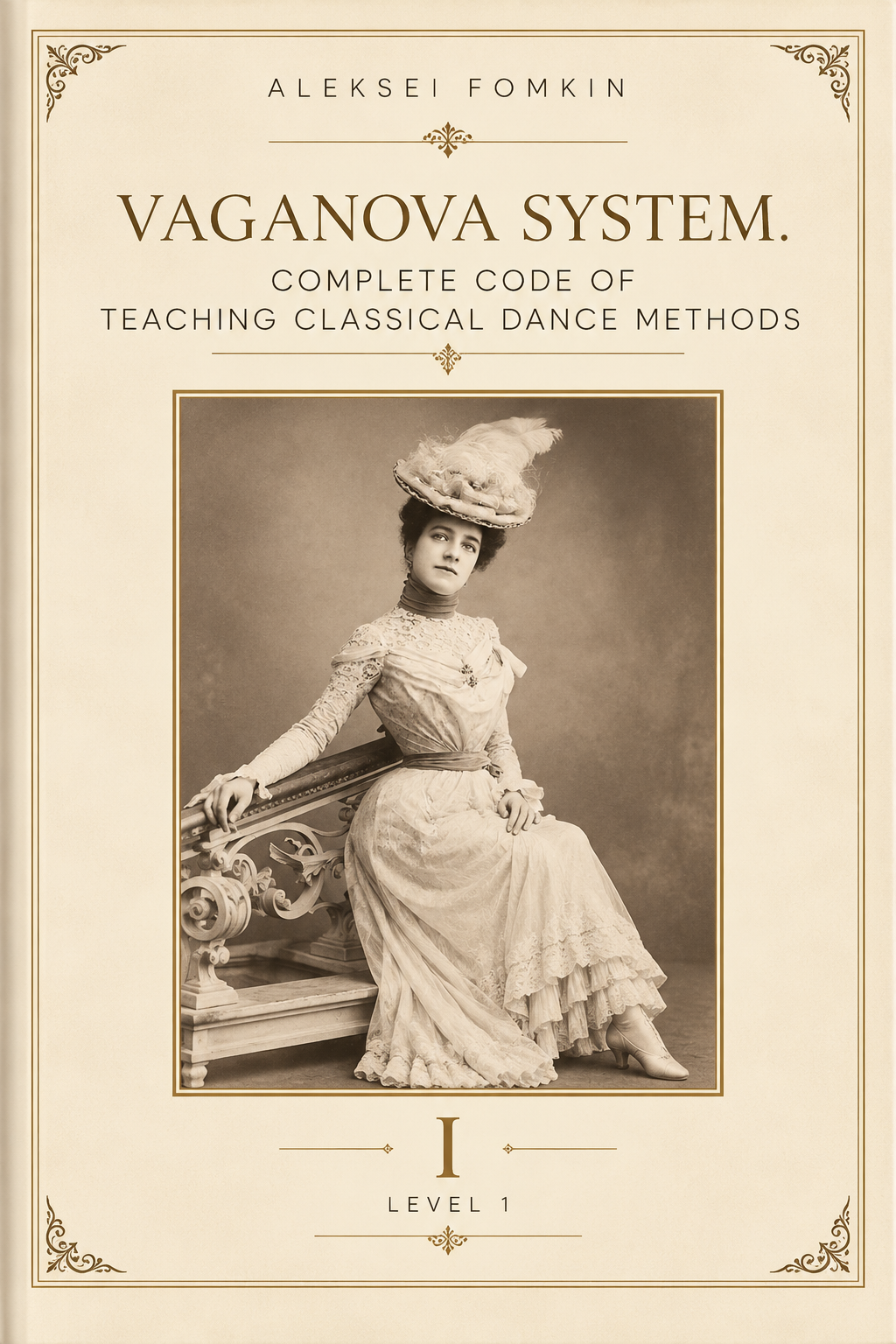
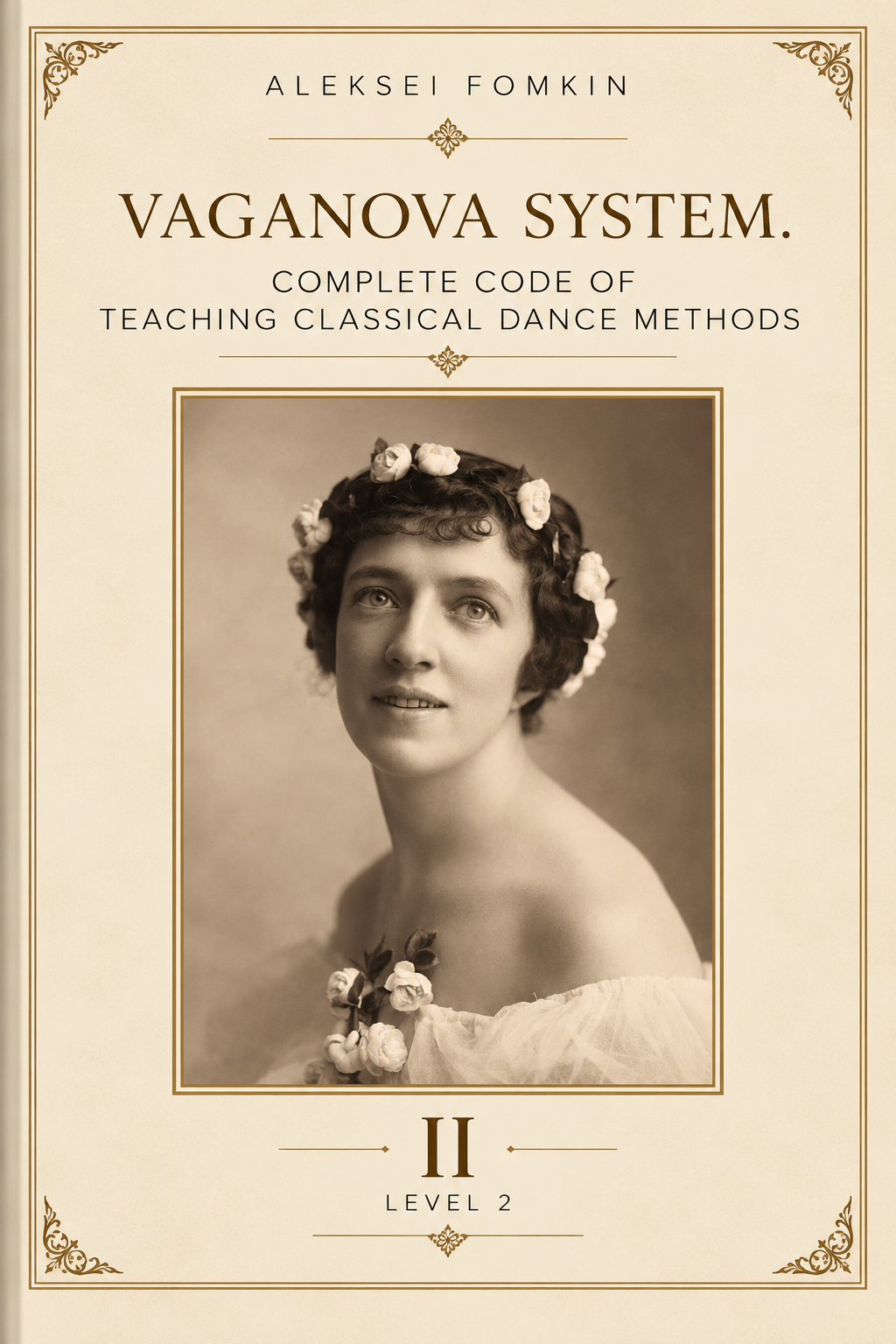
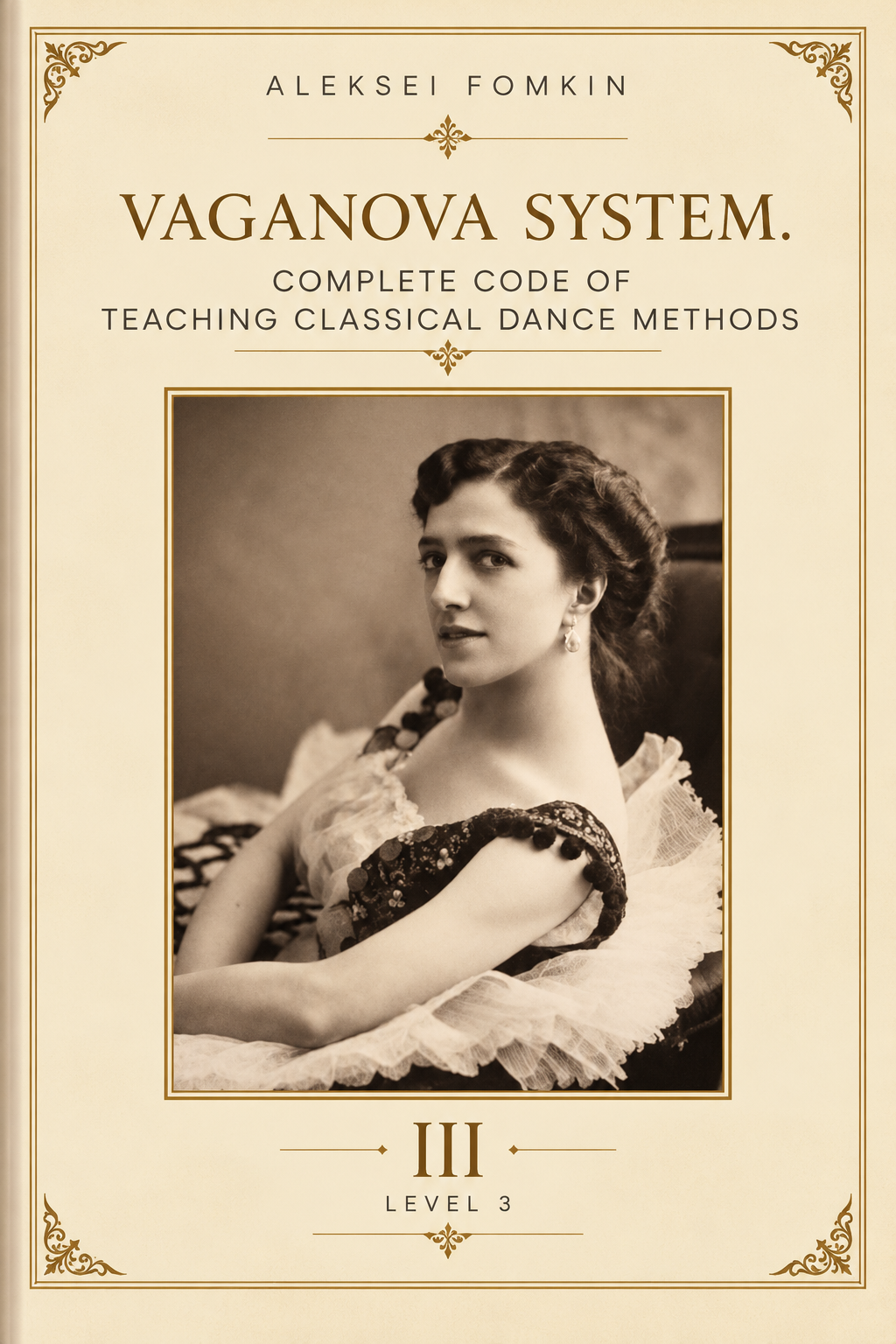
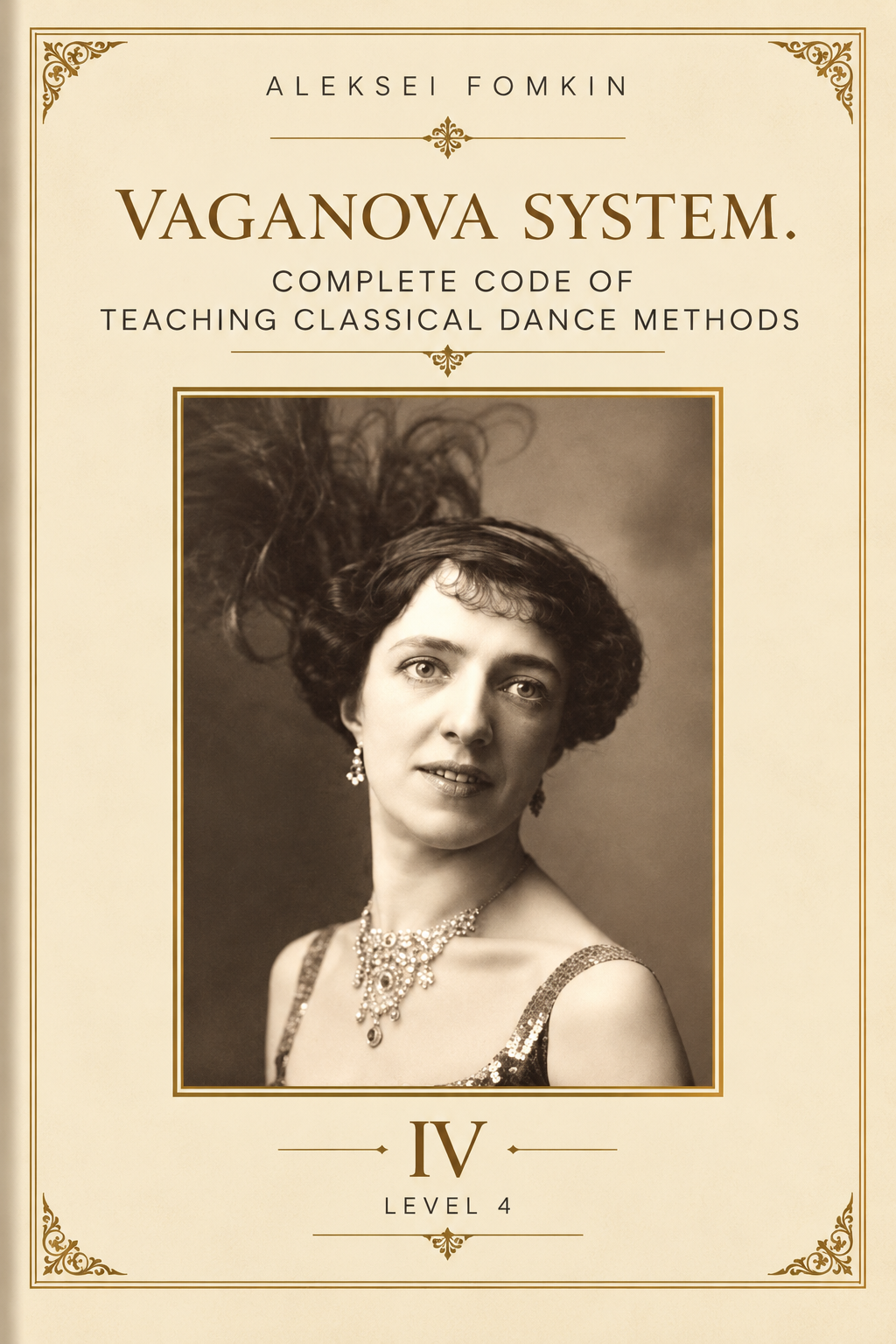
The following covers present the visual concept of the series, featuring historical portraits associated with the heritage of classical ballet.
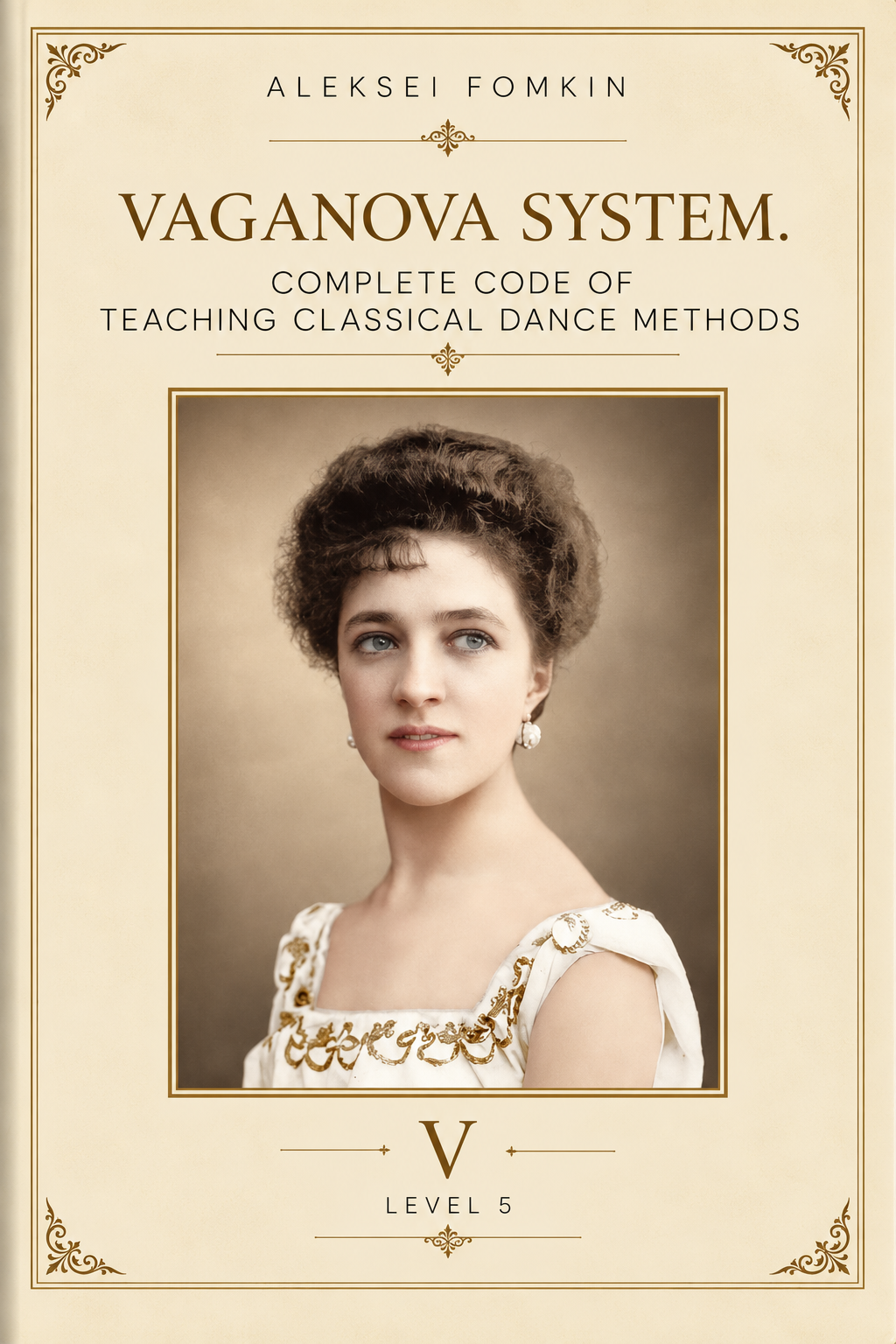
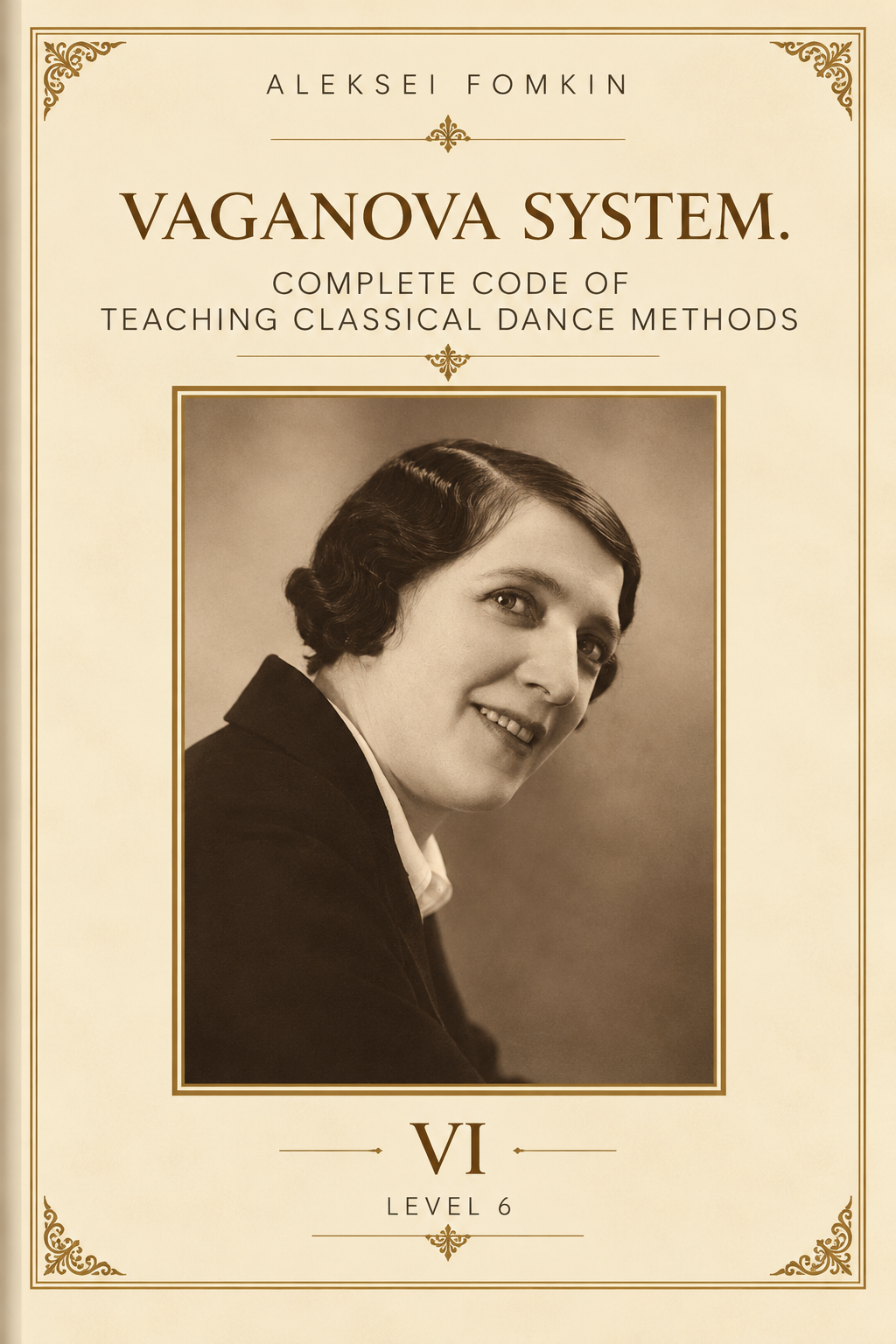
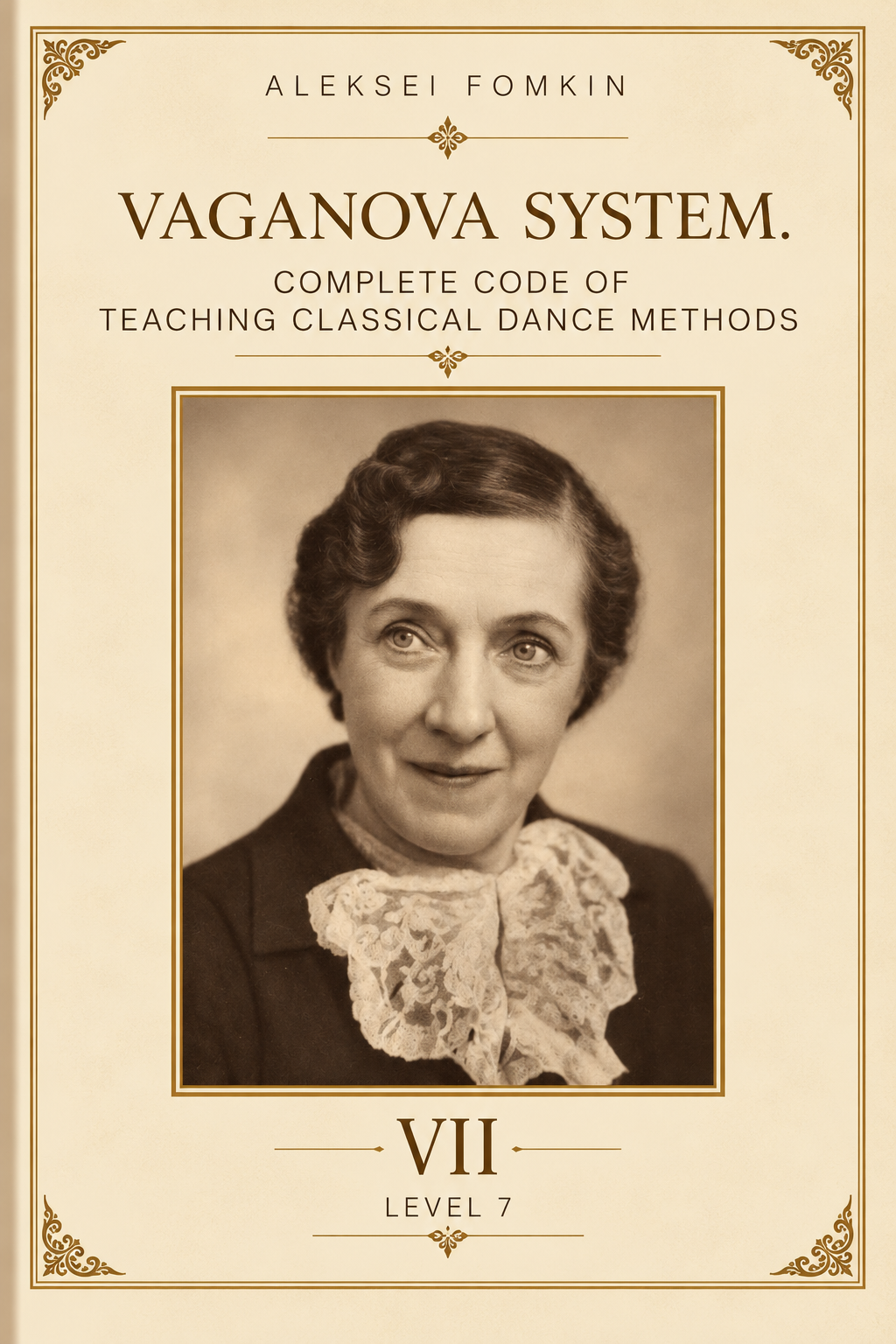
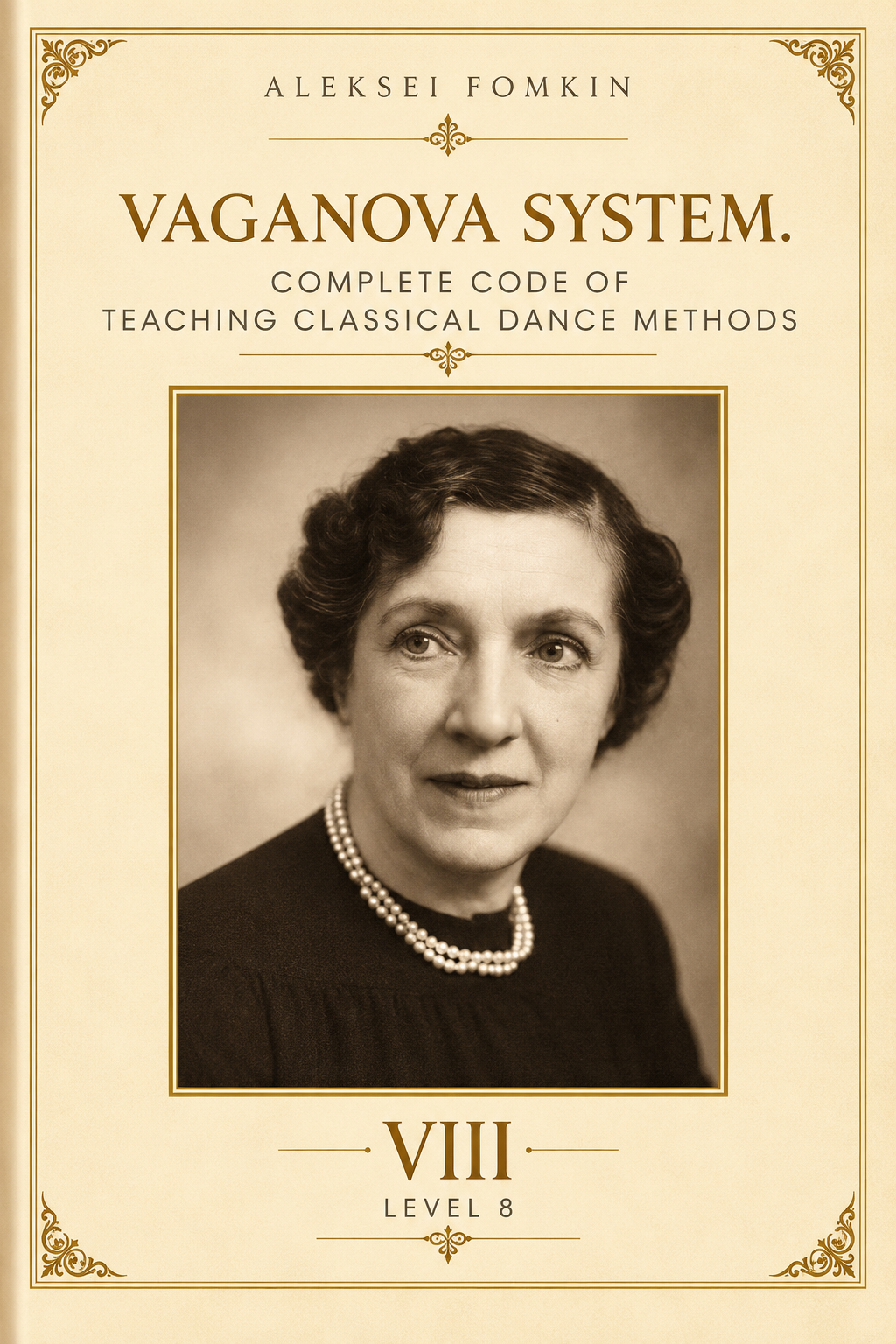
03. Methodological Foundations
Systematic Organization of Classical Dance
One of the principal objectives of the publication is to examine the internal structure of the classical dance training system.
The methodological sequence of exercises, the relationship between simple and complex movements, and the gradual development of coordination constitute essential elements of this approach.
Progressive Technical Development
The work considers the progressive development of professional ballet technique across successive levels of training.
Particular attention is given to the continuity of educational material and the relationship between the introduction of new technical elements and the consolidation of previously acquired skills.
The Interdependence of Technical and Artistic Education
Classical dance education involves the development of physical, technical, musical, and artistic qualities.
The series examines these components within the broader process of the professional formation of the ballet dancer.
04. Research and Pedagogical Background
The publication draws on Aleksei Fomkin’s professional experience as a classical ballet teacher, educational administrator, and researcher in ballet pedagogy.
His work at the Vaganova Ballet Academy included responsibilities in academic administration, educational methodology, and curriculum development.
The methodological series reflects a sustained effort to investigate the principles underlying the organization and teaching of classical dance.
05. Publication Status
The original manuscripts are being developed in Russian, with English selected as the language of the planned initial publication.
Five volumes have been completed, and work on the sixth volume is approaching completion.
Each volume is planned as a substantial methodological publication of approximately 500–600 pages.
Information concerning publication arrangements, editorial preparation, and the release schedule will be announced as the project progresses.