Yuri Ivanovich Umrikhin
Leningrad Choreographic School
My Graduation-Class Teacher
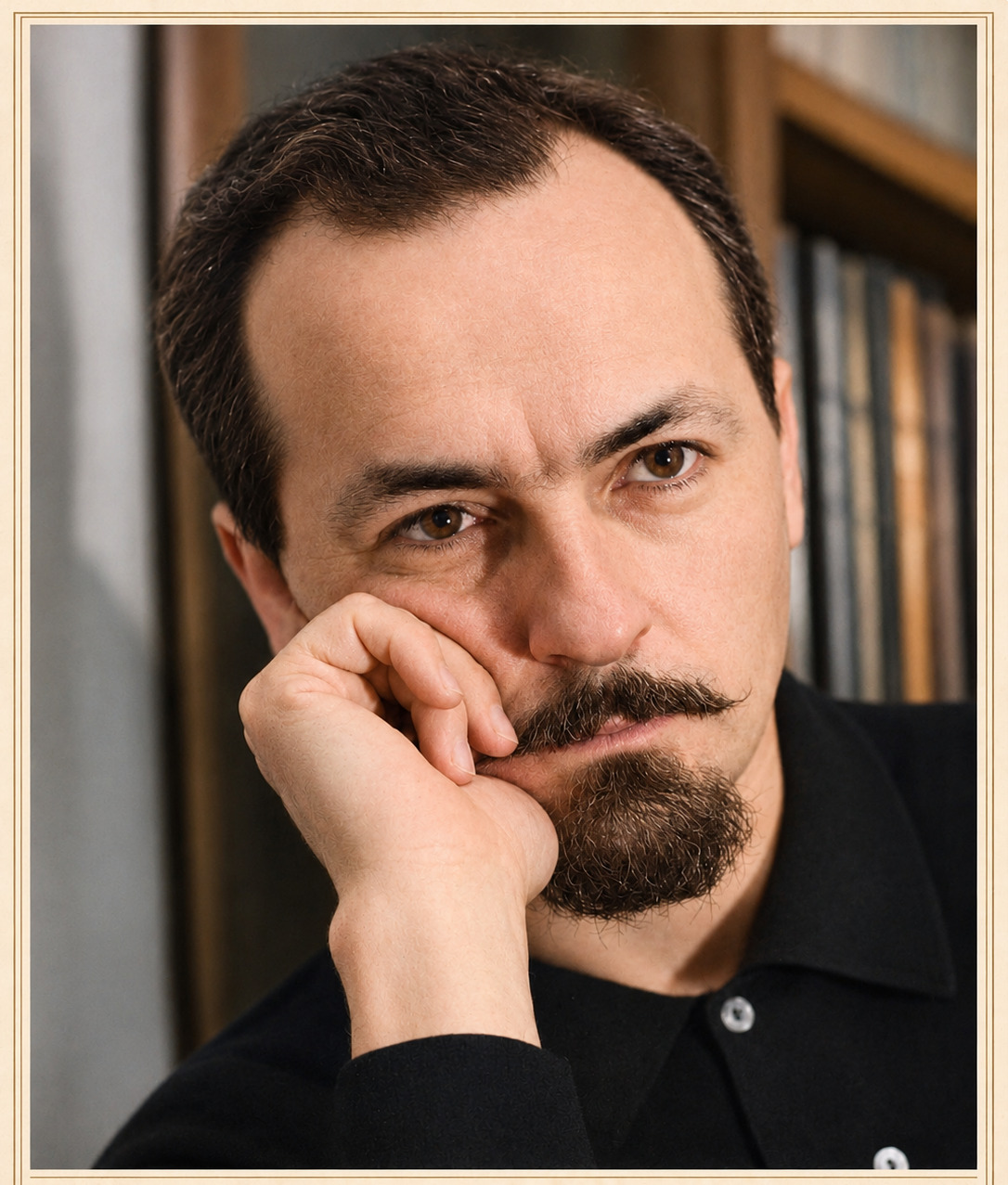
Yuri Ivanovich Umrikhin was a ballet dancer and teacher associated with the traditions of the Leningrad school of classical dance. His professional life brought together practical experience in ballet performance and the education of young dancers.
As a classical dance teacher at the Leningrad Choreographic School named after Agrippina Vaganova, he contributed to the professional preparation of students pursuing careers in classical ballet.
Umrikhin holds a particularly important place in my own professional education: he was my classical dance teacher during my graduation year.
Biography
Yuri Ivanovich Umrikhin belonged to the artistic and pedagogical environment of Leningrad ballet, where the relationship between professional stage practice and systematic classical dance education formed an essential part of the tradition.
Historical photographs preserved from his artistic career document his work as a performer, including stage appearances and ballet partnerships. These images offer valuable visual evidence of his connection with the theatrical culture of his time.
His later work as a teacher connected his experience as a dancer with the training of younger generations at the Leningrad Choreographic School. His place in the school’s pedagogical history is also reflected in the recollections of his former students.
Artistic Career
The surviving photographic materials associated with Umrikhin show him in ballet costumes, theatrical poses, and partnered dance compositions. They illustrate the practical performance background that preceded and accompanied his pedagogical work.
Among the historical images is a photograph of Umrikhin with Galina Kekisheva, preserving a record of their appearance together in a ballet setting.
An especially valuable archival photograph bears a handwritten dedication dated February 18, 1960. The inscription has been preserved as part of the original photographic document.
Pedagogical Work
Umrikhin taught classical dance at the Leningrad Choreographic School named after Agrippina Vaganova, an institution internationally recognized for its systematic approach to professional ballet education.
Classical dance instruction within this tradition was based on a progressive development of technique, coordination, musical responsiveness, physical control, and artistic expression. The work of the graduation-class teacher was particularly important in bringing these elements together before students entered professional theatrical life.
Umrikhin’s contribution to my education belongs to this final stage of professional preparation, when the accumulated technical foundations of earlier years were brought into the context of advanced classical dance.
My Teacher
Yuri Ivanovich Umrikhin was my classical dance teacher during my graduation year at the Leningrad Choreographic School named after Agrippina Vaganova.
His teaching formed part of the concluding stage of my professional ballet education, connecting the technical preparation acquired throughout my studies with the requirements of advanced classical dance.
As one of my direct teachers, Umrikhin occupies an important place in my personal pedagogical lineage and in the history of my professional formation.
My Pedagogical Lineage
Yuri Ivanovich Umrikhin occupies a significant position within my pedagogical genealogy as my teacher of classical dance during the final year of my professional education at the Leningrad Choreographic School. His pedagogical predecessors connect this line of teaching with several generations of the Saint Petersburg classical ballet tradition.
The reconstructed genealogy presented below traces two historical branches through Platon Karsavin and Nikolai Legat, which converge in the teaching lineage of Leonid Leontiev. The subsequent connection continues through Boris Shavrov to Yuri Umrikhin and Aleksei Fomkin. A further branch connects Vladimir Ponomaryov with Boris Shavrov.
Reconstruction based on the existing pedagogical genealogy of the Saint Petersburg ballet tradition. The highlighted historical branches converge through Boris Shavrov and continue to Yuri Umrikhin and Aleksei Fomkin.
The earlier generations of this pedagogical genealogy reflect the historical foundations of classical ballet education in Saint Petersburg. Marius Petipa, Gustav Legat, Pavel Gerdt, Christian Johansson, and other influential teachers contributed to the artistic and technical traditions from which subsequent generations of ballet pedagogues emerged.
Within the reconstructed lineage, Platon Karsavin and Nikolai Legat represent two branches leading to Leonid Leontiev. These branches subsequently continue through Boris Shavrov. The additional connection through Vladimir Ponomaryov illustrates the intersection of several pedagogical influences within the Leningrad ballet school.
Boris Shavrov occupies an important intermediate position in this genealogy, connecting the earlier Saint Petersburg traditions with the generation of teachers to which Yuri Ivanovich Umrikhin belonged.
My direct pedagogical relationship with Umrikhin belongs to the final stage of this historical sequence. As my graduation-class teacher, he contributed to the completion of my professional preparation in classical dance. His position within this genealogy is therefore significant both as a direct teacher and as a representative of a longer tradition of ballet education.
Historical and Methodological Note. This genealogy follows the relationships represented in the existing research diagram. Its historical branches should be understood as a working reconstruction of pedagogical continuity. Individual teacher–student connections require documentary verification before the reconstruction can be treated as a fully established historical record.
Historical Photo Gallery
Historical photographs associated with Yuri Ivanovich Umrikhin, his stage career, his students, and the ballet environment in which he worked.
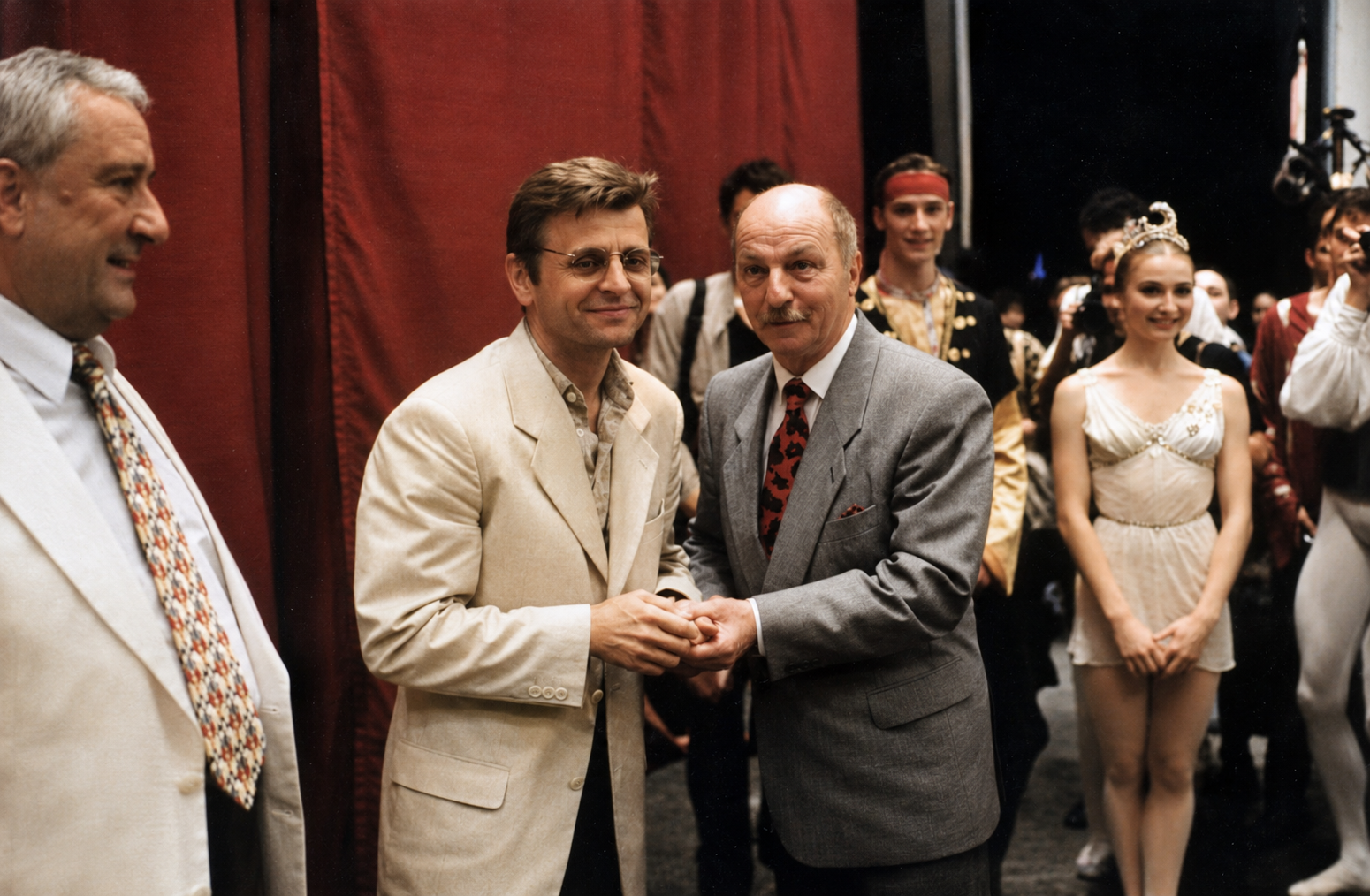
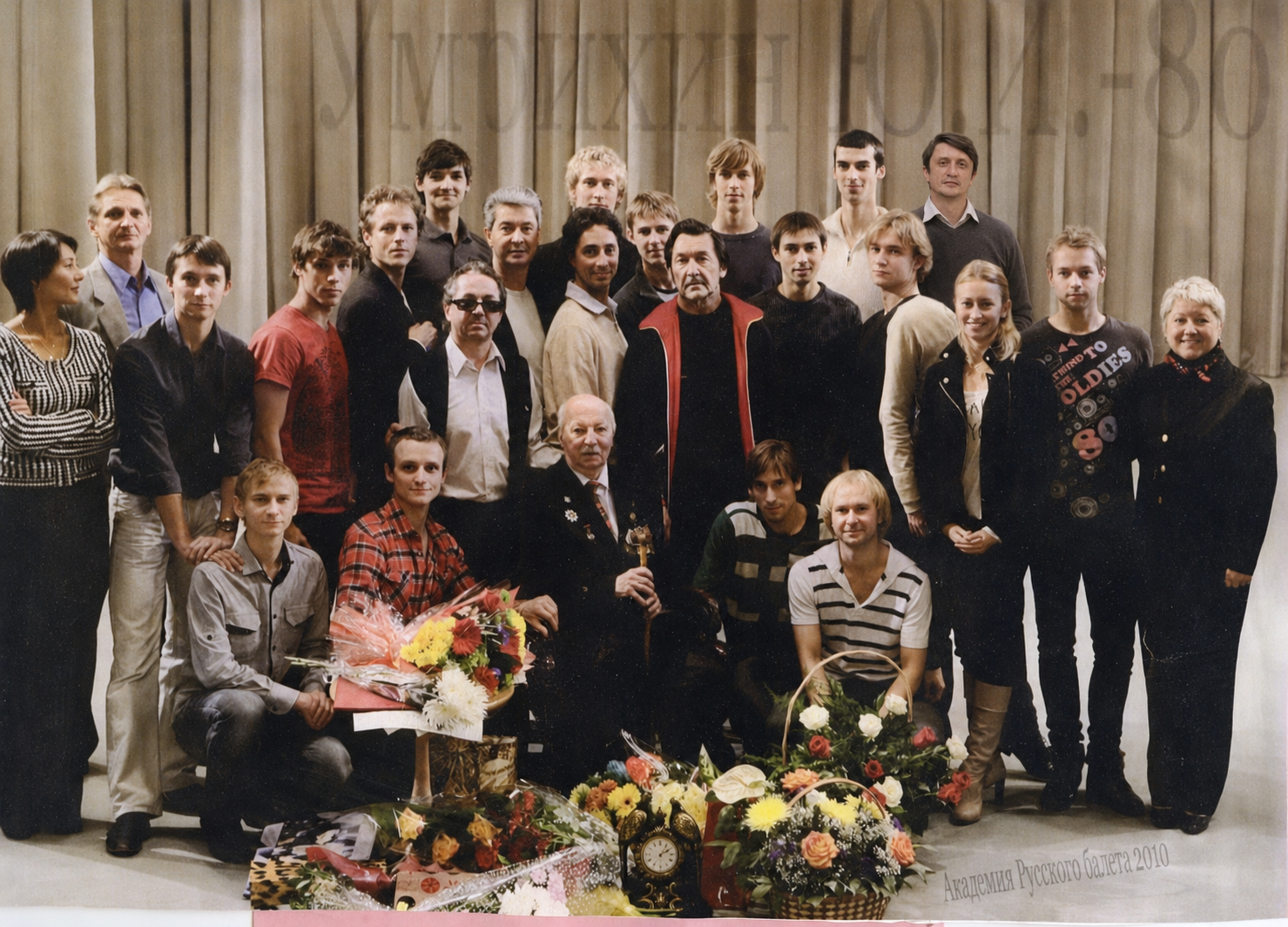


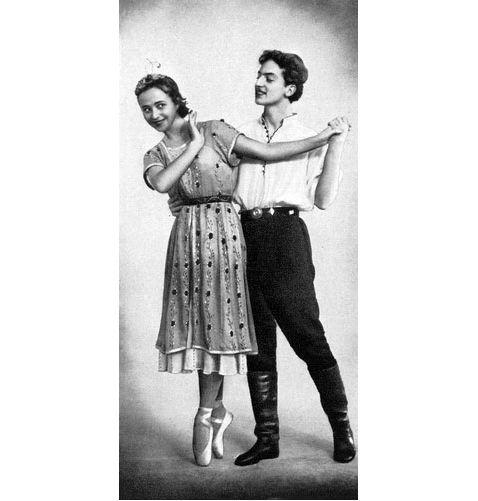
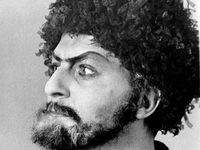
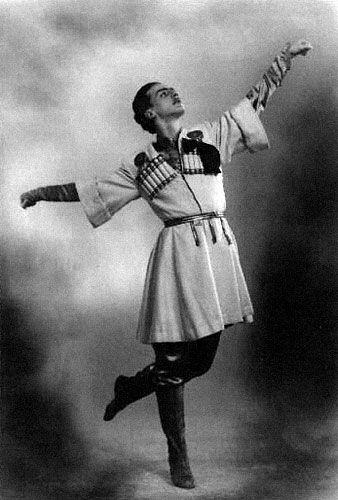
Historical photographs from the archive. Some images have been digitally restored and colorized. Detailed identifications, dates, and performance attributions may be added as further archival information becomes available.