Lyudmila Leonidovna Melnikova (Koroteeva)
Kirov (Mariinsky) Ballet
Vaganova Ballet Academy
My Classical Dance Teacher — Years One and Two
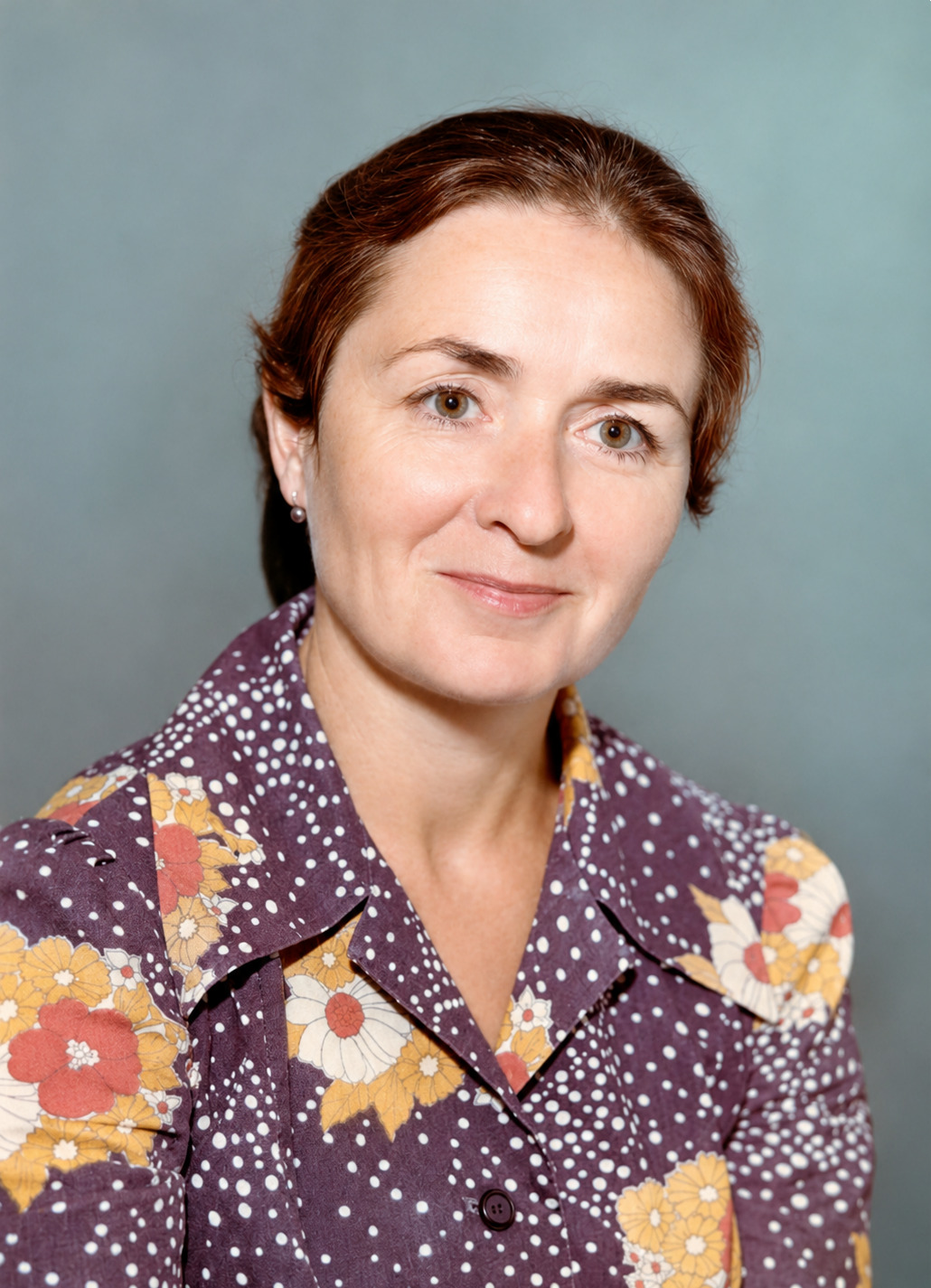
AI-colorized reconstruction of an archival stage photograph.
Lyudmila Leonidovna Melnikova (née Koroteeva, 1934–2001) was a Soviet and Russian ballet dancer and teacher of classical dance whose professional life was closely associated with the Leningrad Choreographic School and the Kirov Theatre.
A survivor of the Siege of Leningrad, she belonged to the remarkable generation of children who entered the ballet school during the Second World War.
She subsequently became a professional dancer at the Kirov Opera and Ballet Theatre, where she performed for more than two decades.
After completing her performing career, Melnikova returned to the institution where she had received her education and devoted the remainder of her life to teaching classical dance.
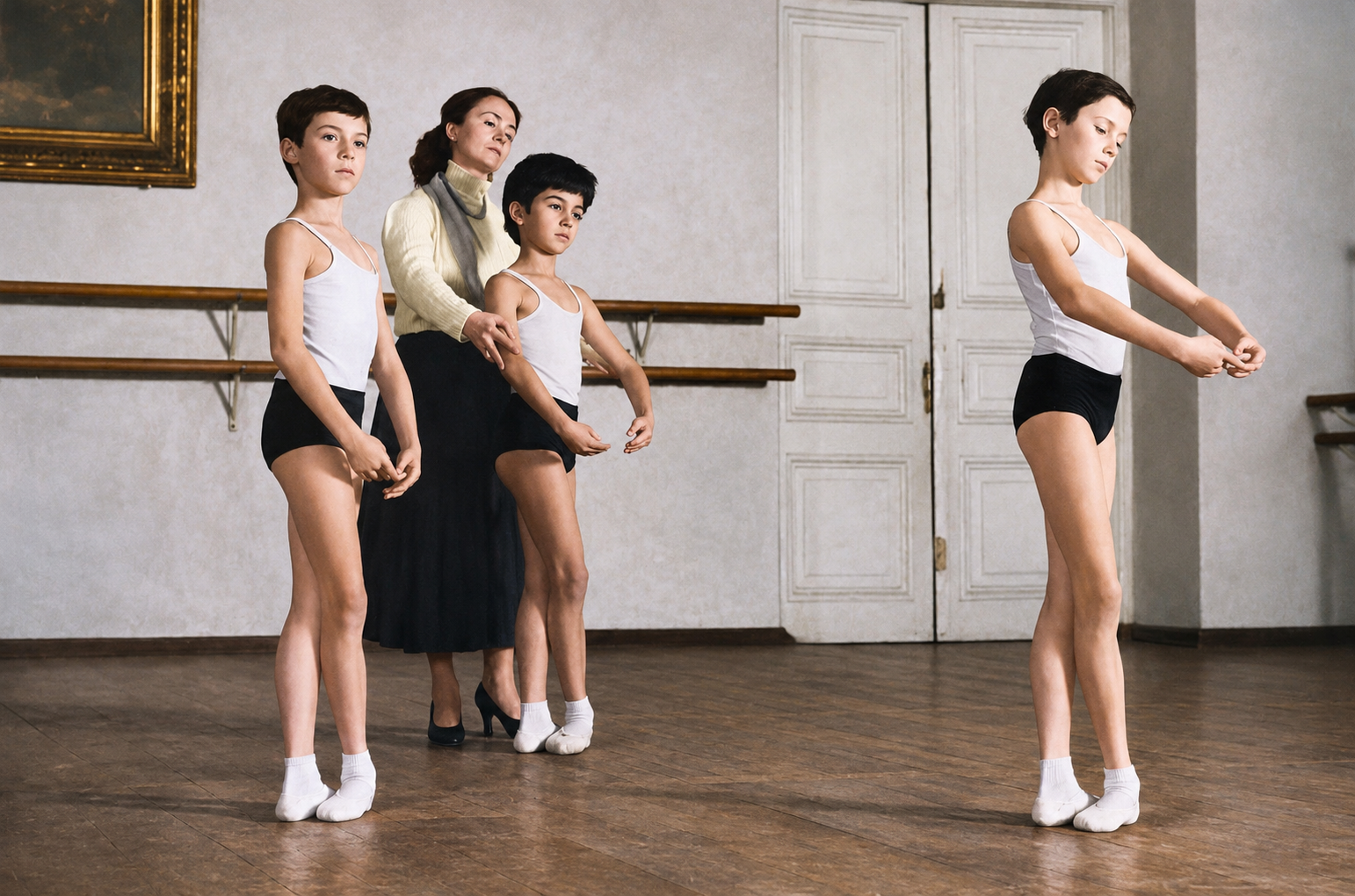
Lyudmila Leonidovna Melnikova was my teacher of classical dance during my first two years of professional ballet education at the Leningrad Choreographic School named after Agrippina Vaganova.
Biography
Lyudmila Leonidovna Koroteeva was born on May 29, 1934. Her childhood was profoundly affected by the Second World War and the Siege of Leningrad.
In September 1943, while Leningrad was still under siege, she entered the Leningrad State Choreographic School as a member of its second wartime admission of children.
According to her own recollections, she became a student on September 14, 1943. The conditions of everyday life and education were extraordinarily difficult. Children experienced hunger, cold, air raids, and the continuing dangers of the blockade.
Despite these circumstances, ballet education continued. The teachers maintained professional standards while caring for students whose physical strength had been severely weakened by wartime deprivation.
Her first teacher of classical dance was Lyubov Ippolitovna Yarmolovich, a former student of Agrippina Yakovlevna Vaganova.
Melnikova later recalled the dedication of Yarmolovich, who taught children in extremely difficult conditions and encouraged them to maintain their commitment to the profession.
The children also participated in performances for wounded soldiers in hospitals. These activities connected their early ballet education with the cultural life of a city struggling to survive.
Of the twenty-three children admitted to her class during the blockade, only four eventually completed the professional course. Melnikova was among them.
She completed her education in 1952 in the class of Maria Fyodorovna Romanova, an important representative of the Leningrad classical ballet school.
The Leningrad Ballet School During the Siege
Melnikova’s written recollections are an important historical testimony to the continuity of ballet education during the Siege of Leningrad.
In her memoir, she described the devastation of the city, the shortage of food and heating, and the extraordinary determination required simply to attend lessons.
She remembered a visit to a theatrical performance during the blockade as an unforgettable encounter with music, light, theatrical costumes, and the beauty of dance.
This experience helped awaken her desire to become a ballet dancer and eventually led her to the Choreographic School.
Her memoirs also preserve the names and professional dedication of the teachers who continued their work during wartime.
These recollections have historical significance beyond the biography of one dancer. They document the survival of an educational institution and the transmission of its artistic tradition under exceptional circumstances.
Artistic Career
After graduating from the Leningrad Choreographic School in 1952, Melnikova joined the ballet company of the Kirov Opera and Ballet Theatre, now the Mariinsky Theatre.
She remained a member of the company until 1974, performing in the classical repertoire and productions created during the Soviet period.
Her stage career coincided with an important period in the artistic development of the Kirov Ballet, when classical productions coexisted with new works by leading Soviet choreographers.
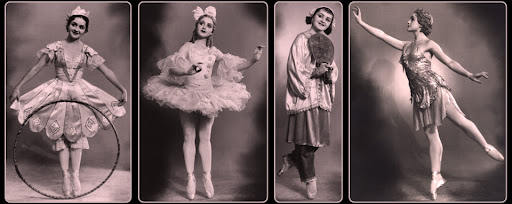
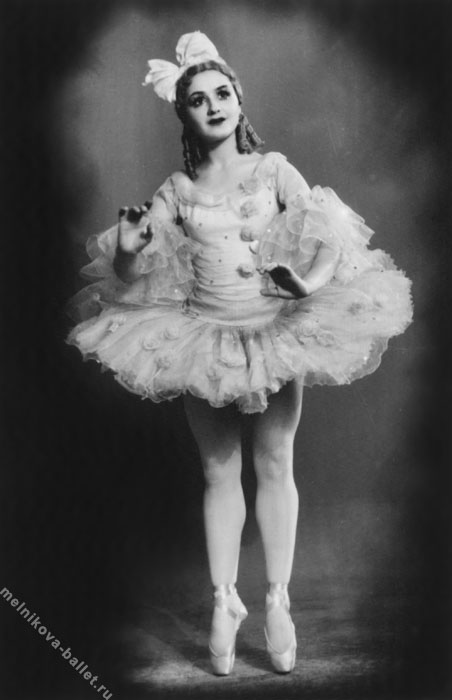
Among the roles documented in her photographic archive was the Doll in The Nutcracker, in the choreography of Vasily Vainonen.
She also performed the Fire Fairy (Ognevushka-Poskakushka) in Yuri Grigorovich’s production of The Stone Flower.
These roles demonstrate the range of her theatrical activity, from the stylized character imagery of the classical repertoire to the expressive choreography of twentieth-century Soviet ballet.
Her years on the Kirov stage provided the practical theatrical experience that later informed her work as a teacher.
Pedagogical Career
In 1974, Melnikova began teaching classical dance at the Leningrad Choreographic School, later renamed the Vaganova Ballet Academy.
She continued her pedagogical work there until 2001.
Her teaching encompassed the systematic preparation of students at different stages of professional ballet education.
The initial years of classical dance training are especially important because they establish the technical foundations upon which all subsequent professional development depends.
These foundations include correct placement of the body, coordination, turnout, the development of the supporting leg, precise articulation of the feet, and the progressive mastery of the vocabulary of classical dance.
At this stage, the teacher’s responsibility extends beyond the transmission of individual exercises. It includes the formation of movement habits, physical organization, musical awareness, and the discipline required for sustained professional training.
Melnikova taught both male and female students, working with different age groups and levels of technical preparation.
Her professional activity also included international master classes and educational visits representing the Leningrad ballet school.
Throughout her pedagogical career, she remained closely connected with the traditions of the institution in which she herself had been trained.
My Teacher
Lyudmila Leonidovna Melnikova was my teacher of classical dance during my first and second years at the Leningrad Choreographic School named after Agrippina Vaganova.
Her instruction belonged to the foundational period of my professional education, when the essential principles of classical dance technique were being systematically established.
This early stage of training created the technical basis for the more advanced study of classical dance in subsequent years.
Through her teaching, I became directly connected with a generation of ballet artists who had preserved the traditions of the Leningrad school during and after the Second World War.
My Pedagogical Lineage
Lyudmila Leonidovna Melnikova occupies a particularly important place in my pedagogical lineage. She was my first teacher of classical dance during the initial two-year stage of my professional education at the Leningrad Choreographic School.
Her own professional formation connected two distinct pedagogical traditions. Her earliest instruction was received from Lyubov Ippolitovna Yarmolovich, a pupil of Agrippina Yakovlevna Vaganova. She subsequently completed her professional education in the class of Maria Fyodorovna Romanova in 1952.
These two lines converge in Melnikova’s pedagogical biography and continue through her direct teaching relationship with me. The resulting genealogy illustrates the transmission of classical dance education across successive generations of the Saint Petersburg and Leningrad ballet school.
Two lines of direct pedagogical transmission converge in Lyudmila Leonidovna Melnikova and continue through her teaching of Aleksei Fomkin during the first two years of professional classical dance education.
The Vaganova–Yarmolovich Lineage
The first line begins with Agrippina Yakovlevna Vaganova, whose pedagogical work established the methodological foundations of the modern Leningrad school of classical dance.
Lyubov Ippolitovna Yarmolovich, a former pupil of Vaganova, became Melnikova’s first teacher of classical dance. Their teaching relationship was established during the Siege of Leningrad, when the continued operation of the Choreographic School represented an extraordinary achievement of artistic and educational continuity.
Through Yarmolovich, Melnikova received her initial classical dance education within a direct line of transmission from Vaganova. This relationship is especially significant because it concerns the foundational stage of professional training, when the basic principles of movement organization and classical technique are established.
The Romanova Lineage
The second line connects Melnikova with Maria Fyodorovna Romanova, in whose class she completed her professional ballet education in 1952.
Romanova’s place in this genealogy represents the advanced and concluding stage of Melnikova’s training, complementing the early instruction she had received from Yarmolovich.
The two relationships therefore belong to different stages of Melnikova’s professional formation and should not be understood as interchangeable. Together, they illustrate the cumulative nature of classical ballet education within the Leningrad school.
Historical and Pedagogical Significance
Melnikova’s professional experience at the Kirov Theatre subsequently enriched the artistic knowledge she transmitted to her students. Her teaching united the systematic foundations of classical dance with practical experience of theatrical performance.
Her role in my pedagogical genealogy is especially significant because she was responsible for the first two years of my classical dance education. This was the period in which the fundamental technical principles of the profession were established.
The direct connection between Melnikova and my own education therefore represents the transmission of a historical pedagogical tradition at its most foundational level.
Historical and Methodological Note. This diagram distinguishes Melnikova’s first teacher, Lyubov Yarmolovich, from her graduation teacher, Maria Romanova. Both relationships are represented as direct teacher–student connections. The diagram does not assume an additional teacher–student relationship between Vaganova and Romanova, nor does it extend Romanova’s earlier genealogy beyond the relationships documented in the present biography.
Historical Photo Gallery
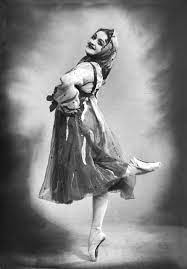
Archival photographs documenting Melnikova’s performing career at the Kirov Theatre and her later pedagogical work.


In Memoriam — Preserving Her Legacy
The artistic and pedagogical legacy of Lyudmila Leonidovna Melnikova (Koroteeva) is preserved through a dedicated memorial website bringing together historical photographs, biographical materials, personal recollections, and documents relating to her life and career.
The memorial archive provides valuable insight into her professional formation during the Siege of Leningrad, her artistic achievements at the Kirov Theatre, and her contribution to the education of subsequent generations of ballet dancers.
The preservation of these materials is particularly important for understanding the continuity of the Leningrad ballet school and the personal histories of the teachers who transmitted its traditions.
A historical and biographical archive dedicated to her artistic and pedagogical legacy.
Visit the Memorial Archive →Historical Sources
L. L. Melnikova. “I Am from the Second Blockade Admission…” Bulletin of the Vaganova Ballet Academy, No. 2 (37), 2015. Read the publication
L. L. Melnikova. “The Siege and the Leningrad State Choreographic School: My Teachers.” Autobiographical recollections, written in 1997–1999. Read the memoir
Lyudmila Melnikova Memorial Archive. Biography, historical photographs, and personal recollections. Visit the archive